Choosing the Right Hair Care Tools for Everyday Styling

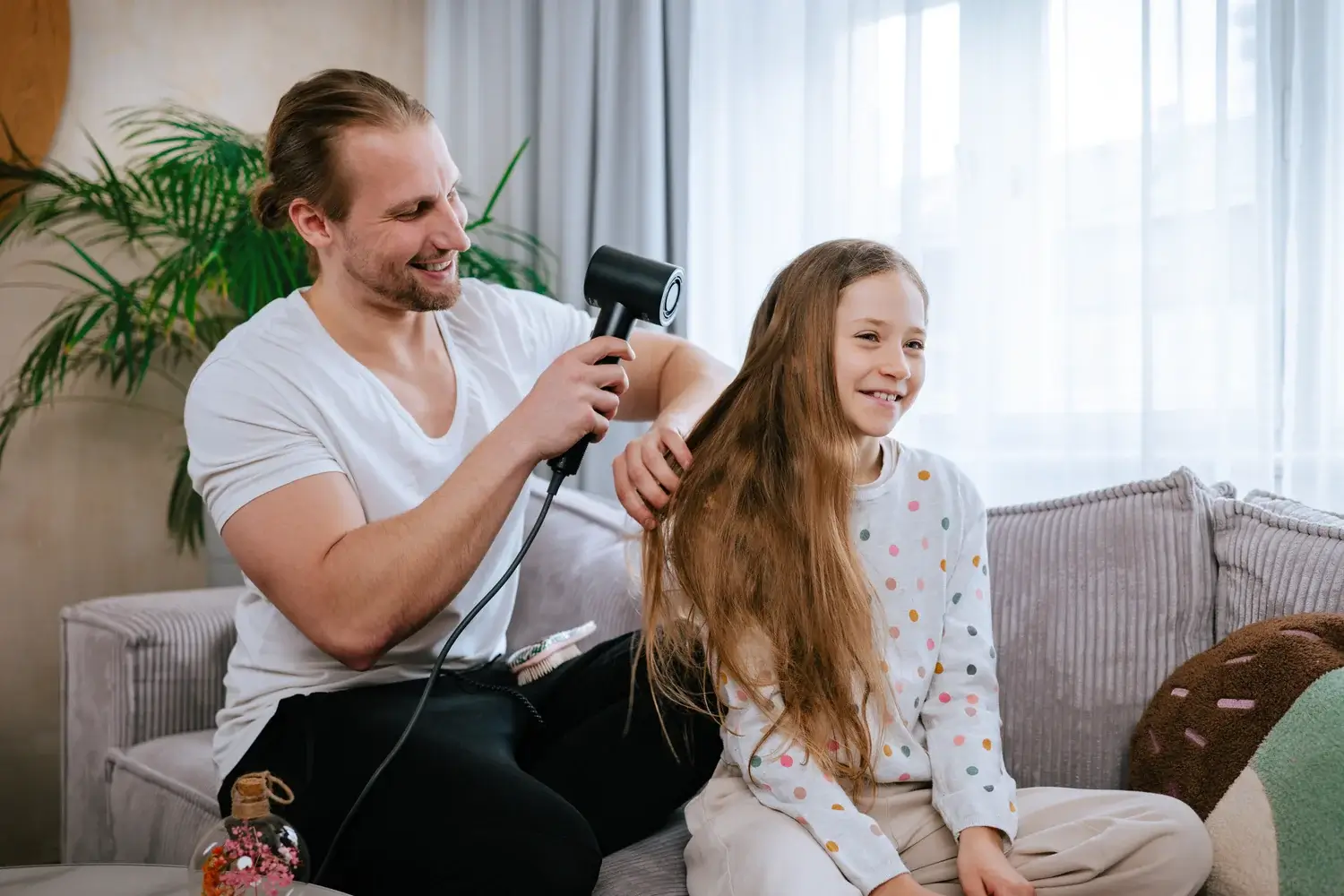
A hair dryer is a useful part of many grooming routines, helping people dry their hair after washing and prepare it for different styles. The right appliance can make this process more convenient, whether someone prefers a simple everyday look or spends more time creating a finished hairstyle.
Choosing a suitable model involves more than comparing prices or advertised power. Features such as heat settings, airflow, weight, attachments and safety functions all influence how practical an appliance will be.
Consider Your Hair Type and Routine
Hair length, thickness and texture can affect which dryer is most suitable. People with short hair may prefer a lightweight model for occasional use, while those with long or thick hair may value stronger airflow and several temperature settings.
Curly and wavy hair may benefit from a diffuser attachment, which spreads airflow over a wider area. A concentrator nozzle, meanwhile, directs air towards a particular section and can help with more controlled styling.
Think about how frequently you use a dryer. Someone who styles their hair every day may prioritise durability and comfort, while an occasional user may prefer a straightforward design with essential functions.
Understand Power and Airflow
Wattage is one specification worth checking, but it does not describe the entire performance of a hair dryer. Motor design, airflow and temperature control also matter.
A higher wattage does not automatically mean that a model is the best choice for every person. Look at the available settings and consider whether they provide enough flexibility for your hair and preferred styling method.
Adjustable speed settings can help control airflow. Multiple heat options are also useful because they allow users to avoid applying more heat than necessary.
Why Temperature Control Is Important
Excessive heat can contribute to dryness and damage, particularly when hair is already fragile or chemically treated. Using a moderate temperature and keeping the dryer moving can help reduce unnecessary exposure.
A cool-air function may be useful when finishing a style. It is also worth considering a suitable heat-protection product if it fits your hair-care routine.
No appliance can remove every risk associated with heat styling. Good technique and appropriate temperature selection remain important.
Comparing Products in Hong Kong
Shoppers looking for a hair dryer hong kong can compare models by reviewing their specifications, included accessories and intended use.
Pay attention to the following details:
- Weight and handle comfort.
- Heat and speed settings.
- Motor and airflow specifications.
- Included concentrator or diffuser attachments.
- Cord length and storage.
- Warranty and after-sales support.
It is also useful to check whether the appliance is suitable for the electrical supply where it will be used. This is particularly important when purchasing a model intended for travel or use in another country.
Attachments and Additional Features
Attachments can make a dryer more adaptable. A concentrator nozzle helps direct airflow, while a diffuser can support styling routines for curly or wavy hair.
Some models include removable filters, which can make maintenance easier. Other features may include hanging loops, foldable handles or different airflow modes.
Before paying extra for advanced functions, consider whether they will actually be useful. A simple model with comfortable handling and suitable settings may be a better choice than one with features that rarely get used.
Safe Use and Regular Maintenance
Always follow the manufacturer’s instructions. Keep electrical appliances away from water and unplug the dryer when it is not in use.
Check the air filter regularly and clean it as recommended. Dust and hair can collect around the intake, potentially affecting airflow. Never block the air openings while the appliance is operating.
Allow the dryer to cool before storing it. If the cord, plug or housing becomes damaged, stop using it and consult the manufacturer or a qualified repair service.
Frequently Asked Questions
1. What features should I look for in a hair dryer?
Consider heat settings, airflow, weight, attachments, cord length and safety information. The best combination depends on your hair type and styling routine.
2. Is a higher-wattage dryer always better?
No. Wattage is only one specification. Airflow design, temperature control, motor construction and ease of use also influence suitability.
3. How can I reduce heat exposure when drying my hair?
Choose a suitable temperature, keep the dryer moving and avoid holding it too close to one section. Follow the appliance instructions and use appropriate heat-protection products if needed.
Conclusion
A suitable hair dryer should match the user’s hair type, styling habits and everyday requirements. Comparing airflow, heat settings, attachments, comfort and safety can help shoppers make a more informed decision. A well-chosen appliance can make regular grooming more convenient without relying on unnecessary features.