Understanding Professional Skincare Treatments and Their Benefits

Skincare needs can change over time. Weather, lifestyle, age, stress and daily product choices may all influence how the skin looks and feels. While a consistent home routine is important, some people choose professional treatments for additional care and guidance.
A facial treatment can provide a structured skincare experience, but selecting the right service requires more than choosing a popular option. It involves understanding the skin, reviewing the treatment process and setting realistic expectations.
What Happens During a Professional Facial?
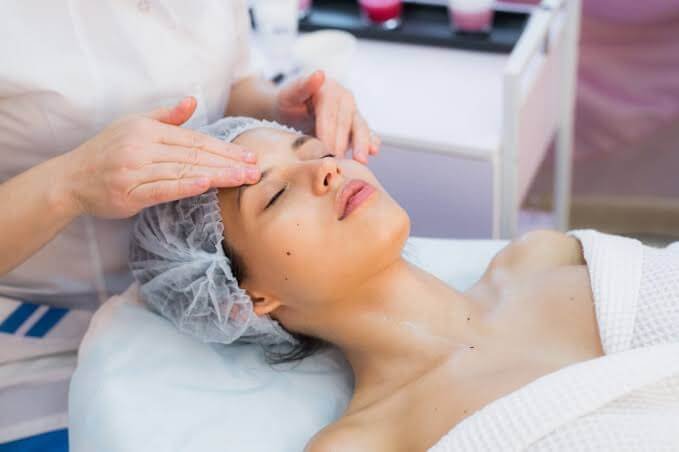
A professional facial commonly includes several stages. The process may begin with cleansing, followed by an assessment of the skin and the selection of suitable products.
Depending on the treatment, the next steps may include exfoliation, a mask, moisturising products or other cosmetic techniques. Some services also include facial massage as part of the experience.
Not every facial follows the same process. Treatment length, products and techniques can vary considerably, so clients should review the service description before booking.
Identifying Individual Skin Concerns
People seek facial treatments for different reasons. Some want to improve the appearance of dry or dull skin, while others are concerned about excess oil, uneven texture or visible congestion.
Understanding the concern helps narrow down suitable options. For example, someone with dry skin may prefer a treatment that focuses on hydration and comfort. A person with sensitive skin may need a gentler approach that avoids unnecessary friction or strong ingredients.
Common considerations include:
- Skin type and current condition
- Sensitivity to ingredients or fragrance
- Existing skincare products
- Previous reactions to cosmetic treatments
- Specific concerns that may require medical attention
Professional cosmetic treatments are not substitutes for dermatological care. Persistent acne, unusual pigmentation, severe irritation or unexplained changes should be discussed with a qualified healthcare professional.
The Role of Cleansing and Exfoliation
Cleansing removes surface dirt, makeup and excess oil. It is a basic part of many facial treatments and helps prepare the skin for subsequent products.
Exfoliation is sometimes included to remove dead skin cells from the surface. It may involve gentle physical methods or products containing exfoliating ingredients.
The correct approach depends on skin tolerance. Excessive exfoliation can contribute to dryness, irritation and sensitivity. People who already use retinoids or other active ingredients should mention this before treatment.
Hydration and Moisture Support
Hydration is an important consideration for many skin types. When skin feels tight or rough, a treatment focused on moisture may improve its immediate comfort and appearance.
Facial products may include humectants, emollients and moisturising ingredients. These work in different ways to attract water, soften the skin or reduce moisture loss.
However, more product does not necessarily mean better results. Formulations should be appropriate for the person’s skin and should not cause irritation or clogged pores.
Selecting a Suitable Treatment
Choosing a facial should begin with a clear understanding of personal goals. A treatment designed for deep exfoliation may not be suitable for someone experiencing irritation. Similarly, a service focused on hydration may not address every concern.
Before booking, ask the provider:
- What steps are included in the treatment?
- Which products or active ingredients are used?
- Is the treatment appropriate for sensitive skin?
- Are there any precautions or aftercare instructions?
- What results can reasonably be expected?
Clear answers help clients make decisions without relying on exaggerated claims.
Professional Standards and Hygiene
Hygiene is a central part of any skincare service. Treatment areas, reusable equipment and product-handling procedures should be maintained appropriately.
Clients should also expect a clear explanation of the service, transparent pricing and respectful communication. If a treatment involves stronger exfoliation or specialised equipment, the provider should explain potential risks and suitability.
Anyone who feels pressured to proceed despite discomfort or unanswered questions should take time to reconsider the appointment.
Considering Facial Treatment in Hong Kong
A busy lifestyle can make it difficult to maintain regular self-care. A convenient treatment location and clear booking process may help people plan appointments around work and personal commitments.
People researching facial treatment hong kong can review the available services, compare treatment descriptions and consider which option best matches their preferences.
The decision should be based on suitability, provider standards and comfort rather than promotional language alone.
Caring for Skin Between Appointments
Professional treatments work best when supported by a sensible home routine. A gentle cleanser, moisturiser and broad-spectrum sunscreen can form a practical foundation for many people.
New products should be introduced gradually, especially when they contain active ingredients. This makes it easier to identify possible irritation and avoid unnecessary combinations.
It is also helpful to maintain realistic expectations. A single facial may improve how the skin feels temporarily, but lasting skin health depends on multiple factors, including daily habits and appropriate care.
FAQs
1. What is the difference between a facial and a daily skincare routine?
A facial is a professional service that may include several treatment steps. A daily routine involves regular cleansing, moisturising and sun protection at home. Both can serve different purposes.
2. Can a facial remove acne permanently?
No cosmetic facial can guarantee permanent acne removal. Persistent or severe acne may require assessment and treatment from a dermatologist.
3. What should I avoid before a facial?
Tell the provider about recent procedures, skin reactions and active skincare products. Depending on the treatment, they may recommend avoiding certain exfoliants or other products beforehand.
Conclusion
Professional facial treatments can complement everyday skincare when selected carefully. Understanding individual concerns, reviewing ingredients and choosing a provider with clear hygiene and communication standards are important steps. A considered approach helps make treatment decisions safer, more comfortable and more aligned with realistic skincare goals.