Efficient Switch Gear Products for Electrical Infrastructure Projects

Electrical infrastructure projects rely on safe, reliable, and well-coordinated power distribution systems. Whether it is a commercial building, industrial facility, data center, or utility-scale power network, the efficiency and safety of electrical systems depend heavily on switchgear products. The switch gear products components play a critical role in controlling, protecting, and isolating electrical equipment, ensuring uninterrupted and safe power flow.
As power demand continues to grow and infrastructure becomes more complex, efficient switchgear products have become essential for modern electrical engineering projects. They not only improve operational reliability but also reduce downtime, enhance safety, and support energy efficiency.
This article explores what switchgear products are, their importance, types, benefits, and how they contribute to efficient electrical infrastructure projects.
Understanding Switchgear Products in Electrical Systems
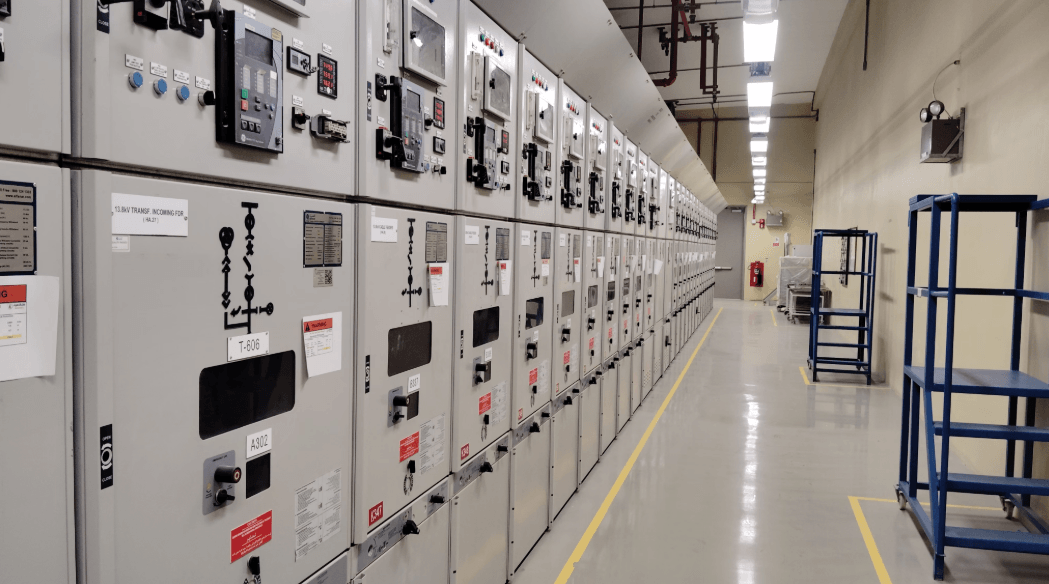
Switchgear refers to a combination of electrical devices used to control, protect, and isolate electrical circuits and equipment. These products are essential in managing power distribution safely and efficiently.
What Switchgear Does
Switchgear systems are designed to:
- Control electrical power flow
- Protect equipment from faults and overloads
- Isolate faulty sections of the network
- Ensure safe maintenance of electrical systems
- Improve reliability of power distribution
In simple terms, switchgear acts as the brain and safety guard of electrical infrastructure.
Why Switchgear Is Essential
Without proper switchgear, electrical systems would be vulnerable to:
- Short circuits
- Overloading
- Equipment damage
- Fire hazards
- System-wide power failures
Efficient switchgear ensures stability and safety across all levels of power distribution.
Importance of Efficient Switchgear in Infrastructure Projects
Electrical infrastructure projects demand high reliability and precision. Efficient switchgear products play a major role in achieving these objectives.
See also: How 5G Technology is Changing Communication
Ensuring Electrical Safety
Protection Against Faults
Switchgear products detect faults such as short circuits and automatically isolate affected sections to prevent damage.
Safety for Personnel
They allow safe maintenance by isolating live circuits, reducing the risk of electrical accidents.
Improving System Reliability
Continuous Power Supply
Efficient switchgear ensures minimal interruptions by quickly responding to electrical faults.
Reduced Downtime
Fast fault detection and isolation help maintain continuous operations in critical facilities such as hospitals, factories, and data centers.
Enhancing Energy Efficiency
Modern switchgear systems are designed to reduce energy losses and improve overall efficiency in power distribution networks.
Types of Switchgear Products
Electrical infrastructure projects use various types of switchgear depending on voltage levels and application requirements.
Low Voltage (LV) Switchgear
Overview
Low voltage switchgear is used in systems operating up to 1,000 volts. It is commonly used in residential, commercial, and small industrial applications.
Key Components
- Circuit breakers
- Fuses
- Switch disconnectors
- Control panels
Applications
- Office buildings
- Residential complexes
- Small manufacturing units
Medium Voltage (MV) Switchgear
Overview
Medium voltage switchgear operates between 1kV and 33kV and is used in industrial and utility applications.
Features
- Higher fault handling capacity
- Advanced protection systems
- Modular design for flexibility
Applications
- Industrial plants
- Power distribution networks
- Renewable energy systems
High Voltage (HV) Switchgear
Overview
High voltage switchgear is used in power transmission systems above 33kV.
Key Functions
- Transmission line protection
- Large-scale power control
- Fault isolation in grid systems
Applications
- Power generation plants
- Electrical substations
- National grid networks
Gas Insulated Switchgear (GIS)
What It Is
Gas insulated switchgear uses insulating gas (usually SF6 or alternatives) instead of air to prevent electrical discharge.
Advantages
- Compact design
- High reliability
- Low maintenance
- Suitable for urban installations
Air Insulated Switchgear (AIS)
What It Is
Air insulated switchgear uses air as the insulating medium and is commonly used in outdoor substations.
Advantages
- Lower cost
- Easy maintenance
- Suitable for open environments
Key Features of Efficient Switchgear Products
Modern switchgear products are designed with advanced technology to improve performance and reliability.
Advanced Protection Systems
Fault Detection
Efficient switchgear quickly detects abnormal conditions such as overloads and short circuits.
Automatic Isolation
Faulty sections are isolated automatically to prevent system-wide failures.
Smart Monitoring and Automation
Digital Integration
Modern switchgear systems include sensors and digital controls for real-time monitoring.
Benefits
- Remote monitoring
- Predictive maintenance
- Reduced manual intervention
Compact and Modular Design
Space Efficiency
Modern infrastructure projects often face space constraints. Compact switchgear designs help optimize installation space.
Modular Expansion
Systems can be expanded easily as power demands increase.
High Durability and Reliability
Switchgear products are designed to withstand:
- High electrical loads
- Harsh environmental conditions
- Continuous operation
Benefits of Efficient Switchgear in Infrastructure Projects
Improved Operational Safety
Efficient switchgear reduces the risk of electrical hazards by isolating faults and protecting equipment.
Reduced Maintenance Costs
Modern systems require less frequent maintenance due to advanced monitoring and durable design.
Enhanced System Performance
Reliable switchgear ensures smooth power distribution and minimizes interruptions.
Scalability for Growing Demand
Infrastructure projects can expand their power systems without replacing existing switchgear setups.
Support for Renewable Energy Integration
Switchgear plays a key role in integrating solar, wind, and hybrid energy systems into power grids.
Applications of Switchgear Products in Infrastructure Projects
Power Generation Plants
Switchgear controls and protects generators and ensures stable electricity production.
Electrical Substations
Substations rely on switchgear for voltage regulation and power distribution.
Industrial Facilities
Factories use switchgear to manage heavy machinery and prevent downtime due to electrical faults.
Commercial Buildings
Large buildings require efficient switchgear for lighting, HVAC systems, and elevators.
Renewable Energy Systems
Solar and wind farms use switchgear to manage power conversion and grid integration.
Choosing the Right Switchgear for Your Project
Voltage Requirements
Select switchgear based on low, medium, or high voltage needs.
Load Capacity
Ensure the system can handle current and future power demands.
Environmental Conditions
Consider factors such as temperature, humidity, and installation environment.
Safety Standards Compliance
Switchgear should meet international safety and quality standards.
Supplier Expertise
Choose manufacturers or suppliers with proven experience in electrical infrastructure projects.
Future Trends in Switchgear Technology
The switchgear industry is evolving rapidly with advancements in digital technology and sustainability.
Smart Grid Integration
Switchgear systems are becoming part of intelligent power networks with real-time data exchange.
Eco-Friendly Insulation Alternatives
New insulating gases and materials are being developed to replace traditional SF6 gas.
AI-Based Predictive Maintenance
Artificial intelligence helps predict failures before they occur, improving reliability.
Increased Automation
More switchgear systems are becoming fully automated, reducing the need for manual operation.
Conclusion
Efficient switchgear products are the backbone of modern electrical infrastructure projects. They ensure safe, reliable, and efficient power distribution across industries, commercial buildings, and utility networks. From low voltage systems to high voltage transmission networks, switchgear plays a critical role in protecting equipment, minimizing downtime, and supporting energy efficiency.
With advancements in smart monitoring, automation, and sustainable design, switchgear technology continues to evolve to meet the growing demands of modern infrastructure. Choosing the right switchgear solution is essential for ensuring long-term performance, safety, and scalability in any electrical project.