Diagnosing Common CNC Spindle Troubleshooting Scenarios

Few things slow down a machine shop faster than an unpredictable spindle. Whether it is unusual noise, vibration, or a sudden drop in cutting precision, effective CNC spindle troubleshooting starts with understanding the handful of issues that account for most real-world problems.
Vibration and Noise as Early Warning Signs
Unusual vibration is often the first symptom operators notice, and it can stem from several causes including bearing wear, tool imbalance, or improper tool holder seating. Isolating the source usually starts by testing the spindle at varying speeds without a cutting load, which helps separate mechanical issues from cutting-process related vibration.
Overheating and Its Common Causes
Excessive spindle heat typically points to either inadequate cooling, worn bearings generating additional friction, or sustained operation beyond the spindle’s rated duty cycle. Ignoring early heat warnings often accelerates bearing wear, turning a minor issue into a full spindle rebuild far sooner than necessary.
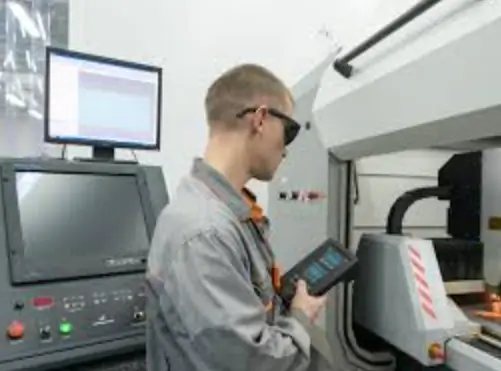
Operators working through unfamiliar fault patterns often reference structured guides covering CNC spindle troubleshooting to narrow down likely causes before opening up the spindle housing.
When to Repair Versus Replace
Not every fault justifies a full replacement. Bearing wear, for instance, can often be addressed through a rebuild if caught early, while damage to the rotor or winding usually points toward replacement being the more economical option. Getting an accurate diagnosis before committing to either path avoids unnecessary downtime and cost.
Frequently Asked Questions
How often should spindle bearings be inspected?
This depends on usage intensity, but most shops build in a periodic inspection schedule based on operating hours rather than waiting for symptoms to appear.
Can a spindle be run temporarily with minor vibration while awaiting repair?
It is generally not advisable, since continued operation under vibration tends to accelerate wear on both the spindle and the workpiece finish quality.
See also: How 5G Technology is Changing Communication
Is spindle noise always a sign of a serious problem?
Not always, but any change from the spindle’s normal operating sound is worth investigating rather than dismissing, since early detection is usually far cheaper to address.
Final Thoughts
Spindle issues rarely appear out of nowhere. Recognizing early symptoms and addressing them methodically keeps machine downtime to a minimum and extends the working life of one of a shop’s most critical components.