Microdrip Tubing: What Makes the Smaller Drop Possible

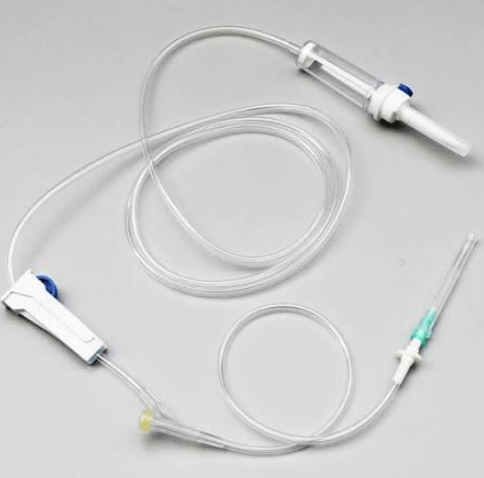
The difference between a standard drip and a fine, controlled drip comes down to something surprisingly small: the internal geometry of the microdrip tubing itself. This article looks at the engineering behind that difference.
The Narrow Drop-Forming Nozzle
Inside the drip chamber, a narrow needle-like nozzle shapes each drop. A smaller nozzle diameter produces smaller, more numerous drops for the same volume of fluid, which is the entire mechanical basis of microdrip design.
Why Tubing Diameter Below the Chamber Matters Less
Once fluid passes the drop-forming nozzle, the tubing diameter itself has a smaller effect on drop size, since the shaping happens earlier in the path. This is a common point of confusion for students first learning the mechanism.
Material Consistency and Manufacturing Tolerance
Reliable microdrip performance depends on tight manufacturing tolerances at that nozzle. Cheaper, inconsistent tubing can produce drops that don’t reliably hit the 60-per-mL standard, undermining rate accuracy.
See also: How 5G Technology is Changing Communication
Comparing Tubing Across Brands
Not all manufacturers hold identical tolerances, so facilities that rely heavily on manual drop counting should periodically verify performance against known volumes rather than assuming every brand behaves identically.
Additional Resource
A broader comparison of tubing designs, including microdrip tubing is useful context for anyone evaluating suppliers on more than price alone.
Frequently Asked Questions
Does longer tubing length affect microdrip accuracy?
Length has a minor effect on flow rate under gravity but doesn’t change the fundamental drop size set by the nozzle.
Why do some microdrip sets seem more accurate than others?
Manufacturing tolerance at the drop-forming nozzle varies between brands, which can create small but measurable differences in real-world accuracy.
Is it worth testing a new microdrip supplier before switching?
Yes, a simple timed-volume test against the expected drop factor is a quick way to confirm consistency before a full switch.
Conclusion
The seemingly small engineering choice of nozzle diameter is what separates a microdrip set from a standard one, and it’s a good reminder that clinical equipment often hinges on details far smaller than they appear. Understanding this mechanism helps explain why manufacturing quality genuinely matters.