Secure Data Destruction Service: Why It Is Essential for Data Security

In today’s digital world, businesses and individuals handle large amounts of sensitive information every day. Financial records, customer details, employee files, legal documents, medical information, and confidential business data are stored across computers, servers, hard drives, mobile devices, and paper records. While protecting this information during use is important, safely disposing of it when it is no longer needed is equally critical.
A secure data destruction service helps ensure that confidential information cannot be recovered or misused after it reaches the end of its lifecycle. Simply deleting files or throwing away documents does not permanently remove sensitive data. Without proper destruction methods, discarded information can still be accessed, creating serious security and compliance risks.
This guide explains why secure data destruction is essential, how it works, and why professional data disposal plays an important role in protecting valuable information.
What Is a Secure Data Destruction Service?
A secure data destruction service is a professional process that permanently destroys sensitive information stored on physical and digital media. The goal is to ensure that confidential data cannot be recovered using any standard or advanced recovery techniques.
Data destruction applies to many types of storage media, including:
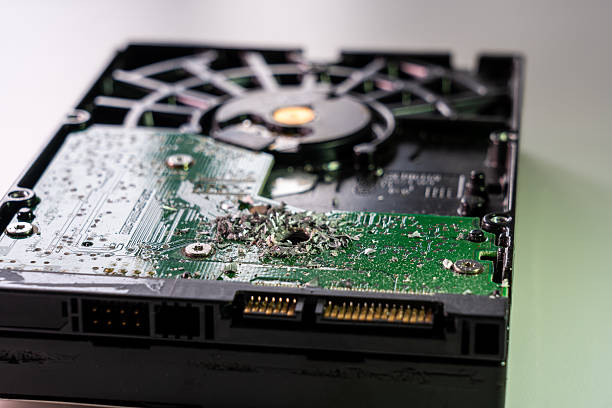
- Hard drives
- Solid-state drives
- USB flash drives
- CDs and DVDs
- Backup tapes
- Mobile devices
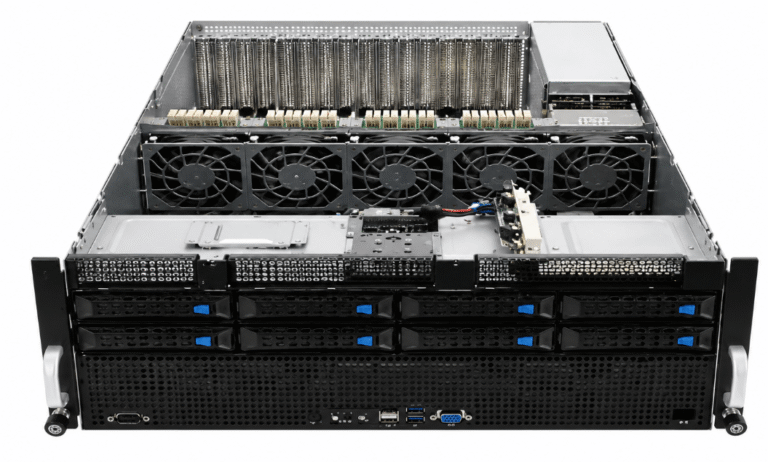
- Servers
- Paper documents
- Printed financial records
- Confidential business files
Once data has been securely destroyed, it becomes permanently inaccessible.
See also: The Impact of Artificial Intelligence on Everyday Life
Why Secure Data Destruction Matters
Many people assume that deleting files or formatting a hard drive completely removes stored information. In reality, deleted data often remains on the device until it is overwritten or physically destroyed.
Improper disposal can expose organisations to numerous risks.
Protecting Sensitive Information
Businesses collect information that must remain confidential. This may include:
- Customer records
- Employee information
- Financial statements
- Tax documents
- Contracts
- Product designs
- Business strategies
If these records fall into the wrong hands, they may be used for fraud, identity theft, or corporate espionage.
Secure destruction prevents unauthorized access.
Preventing Data Breaches
Data breaches often occur because old devices are discarded without proper sanitisation.
Even outdated computers or damaged hard drives may still contain recoverable information. Criminals can extract sensitive files from improperly disposed storage devices.
Secure destruction eliminates this risk by making data permanently unrecoverable.
Meeting Legal and Industry Requirements
Many industries must comply with regulations governing how confidential information is handled and disposed of.
Proper data destruction helps organisations:
- Protect customer privacy
- Reduce legal risks
- Maintain secure record management practices
- Demonstrate responsible data handling
Following secure disposal procedures also supports internal security policies.
Common Types of Data That Require Secure Destruction
Almost every organisation stores information that eventually requires disposal.
Examples include:
Financial Records
Financial documents often contain confidential account information, invoices, payroll records, and tax documentation.
Proper destruction helps prevent financial fraud.
Employee Information
Human resource files typically contain:
- Personal identification details
- Employment history
- Salary information
- Performance records
Secure disposal protects employee privacy.
Customer Information
Businesses frequently collect:
- Contact information
- Purchase history
- Payment records
- Service agreements
Destroying outdated customer records reduces the risk of identity theft.
Business Documents
Internal reports, confidential presentations, contracts, and planning documents should be securely destroyed when no longer required.
Methods Used in Secure Data Destruction
Different storage media require different destruction methods.
Physical Destruction
Physical destruction permanently damages storage devices so they cannot be reused or recovered.
Common methods include:
- Shredding
- Crushing
- Drilling
- Disintegration
These techniques destroy the internal components that store data.
Data Wiping
Data wiping overwrites existing information with new data multiple times, making recovery extremely difficult.
This method is often used when storage devices will be reused rather than discarded.
Degaussing
Magnetic storage devices can be erased using powerful magnetic fields.
This process removes stored information from magnetic media without relying on software.
Paper Document Shredding
Confidential paper records should never be placed directly into general waste bins.
Industrial shredding converts documents into small particles that cannot be reconstructed.
Benefits of Using a Secure Data Destruction Service
Professional data destruction offers significant advantages beyond basic file deletion.
Permanent Data Removal
Professional methods ensure that sensitive information cannot be recovered.
This provides peace of mind when disposing of old devices and records.
Reduced Security Risks
Proper destruction prevents confidential information from becoming available to unauthorized individuals.
This greatly lowers the likelihood of data theft.
Better Compliance
Following secure disposal practices supports privacy regulations and internal governance policies.
Organisations can also demonstrate responsible information management during audits.
Improved Reputation
Customers expect businesses to protect their personal information.
Secure disposal demonstrates a commitment to data security and responsible handling of confidential information.
Safe Disposal of Obsolete Equipment
Businesses regularly replace:
- Computers
- Servers
- Laptops
- Mobile phones
- External hard drives
Secure destruction ensures these devices no longer contain recoverable information before recycling or disposal.
Signs Your Organisation Needs Secure Data Destruction
Many organisations accumulate outdated records over time without establishing a disposal process.
Some common signs include:
Large Volumes of Old Files
Archived paper records and outdated digital files may no longer serve a business purpose.
Secure destruction helps reduce unnecessary storage.
Regular Hardware Upgrades
Replacing computers and storage devices creates opportunities for sensitive data to be exposed if old equipment is not properly sanitised.
Business Relocation
Moving offices often involves disposing of old filing cabinets, computers, and storage devices.
Secure destruction helps prevent confidential information from being left behind.
Storage Space Is Becoming Limited
Removing obsolete records safely frees valuable storage space while reducing security risks.
Best Practices for Secure Data Disposal
Developing a structured approach to data disposal improves long-term security.
Create a Data Retention Policy
Identify how long different types of records should be kept before destruction.
This helps prevent unnecessary accumulation of outdated information.
Maintain an Inventory
Track storage devices and confidential documents throughout their lifecycle.
Knowing what information exists makes secure disposal easier.
Destroy Data Promptly
Outdated records should not remain in storage indefinitely.
Timely destruction reduces opportunities for unauthorized access.
Train Employees
Staff should understand:
- Which information is confidential
- Proper disposal procedures
- Security policies
- Record retention requirements
Employee awareness strengthens overall information security.
Common Mistakes to Avoid
Many organisations unintentionally increase security risks during disposal.
Avoid these common mistakes:
Relying on File Deletion Alone
Deleting files does not permanently erase stored information.
Professional destruction methods provide much stronger protection.
Throwing Documents into General Waste
Paper documents containing confidential information should always be securely shredded before disposal.
Forgetting Backup Devices
Old backup drives, USB devices, and storage media often contain sensitive information that may be overlooked.
These should be included in every destruction process.
Delaying Disposal
Keeping unnecessary records longer than required increases storage costs and security risks.
Regular disposal schedules help maintain better information management.
How Secure Data Destruction Supports Business Continuity
Information security extends beyond cybersecurity systems.
Secure disposal protects organisations throughout the entire data lifecycle, including retirement and disposal.
When confidential information is permanently destroyed, businesses reduce the likelihood of:
- Data leaks
- Identity theft
- Financial losses
- Compliance issues
- Reputation damage
A well-planned destruction process becomes an important part of a broader information security strategy.
Conclusion
A secure data destruction service plays a vital role in protecting confidential information long after it is no longer needed. Simply deleting files or discarding documents is rarely enough to prevent sensitive data from being recovered. Professional destruction methods permanently eliminate information stored on paper records, hard drives, servers, mobile devices, and other storage media.
By implementing secure disposal practices, organisations can reduce security risks, support compliance, protect customer privacy, and maintain trust. Establishing clear data destruction procedures ensures that sensitive information remains protected throughout its entire lifecycle, helping create a stronger and more secure approach to information management.