The Benefits of Artificial Intelligence in Digital Commerce

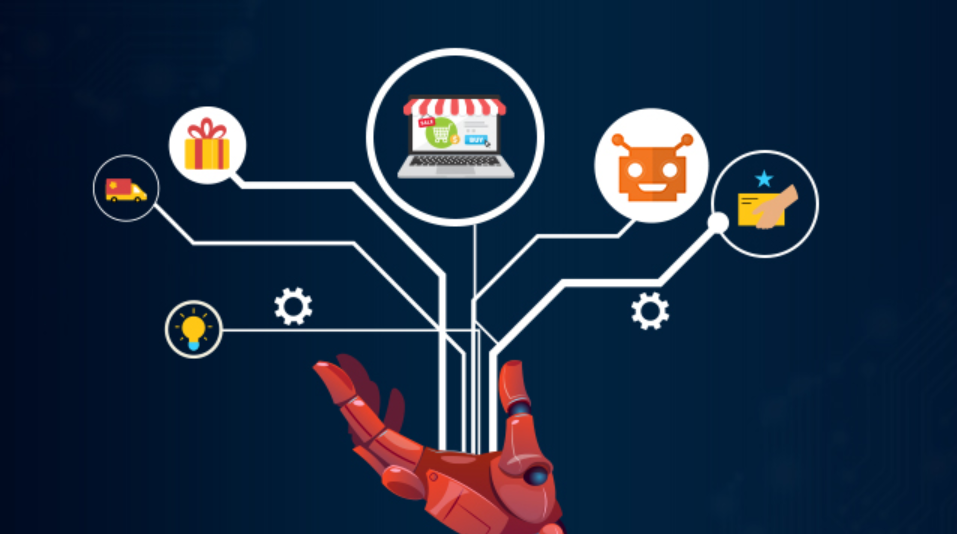
AI reshapes digital commerce by automating decision-making, personalizing at scale, and tightening control over pricing, inventory, and fraud. It enables real-time cross-channel coordination and transparent governance to build trust and resilience. While telemetry reveals performance and attribution across channels, the full value hinges on disciplined execution and ethics. The discussion next will weigh practical implementations against governance risks, highlighting where data quality and integration determine outcomes.
How AI Transforms Digital Commerce in Practice
AI reshapes digital commerce by automating decision-making across customer acquisition, on-site experience, and post-sale optimization.
The practice section analyzes governance, model robustness, and measurable outcomes, highlighting efficiency gains and risk exposure.
Analysts compare traditional funnels with AI-driven telemetry, emphasizing alternative metrics beyond revenue alone.
Ethical considerations surface around bias, transparency, and accountability, guiding prudent deployment while preserving competitive freedom and consumer trust.
See also: The Benefits of Artificial Intelligence in Communication Systems
Personalization at Scale: AI-Driven Customer Experiences
Personalization at scale hinges on leveraging AI to deliver contextually relevant experiences across every customer touchpoint. AI-driven models analyze behavior, preferences, and intent to tailor recommendations, content, and product discovery, boosting engagement and conversion.
Yet, personalization ethics and user privacy must guide data handling, consent, and transparency, ensuring scalable experiences without sacrificing trust, governance, or compliance.
Smarter Operations: AI for Pricing, Inventory, and Fraud Protection
Smarter operations leverage AI to optimize pricing, inventory, and fraud protection, turning real-time signals into actionable actions across the supply chain and storefronts.
The approach emphasizes pricing optimization and inventory forecasting, delivering precise adjustments from demand signals, competitive dynamics, and risk indicators.
It supports margin protection, stock availability, and fraud detection, enabling disciplined, data-driven decisions that align with strategic freedom and operational resilience.
Cross-Channel Orchestration: AI as the Glue for Seamless Shopping
Cross-Channel Orchestration coordinates data, inventory, and customer interactions across channels to deliver a unified shopping experience. AI analyzes cross channel signals, aligning pricing, promotions, and fulfillment in real time. This glue reduces handoffs, speeds decisions, and enhances attribution. Stakeholders gain clarity on cross-channel performance, enabling autonomous optimization. The approach embraces transparency, scalability, and freedom through data-driven, strategic AI orchestration.
Frequently Asked Questions
How Does AI Address Data Privacy in E-Commerce Ecosystems?
AI addresses data privacy in e-commerce ecosystems by enforcing data governance and privacy by design, minimizing exposure, and enabling transparent controls; it analyzes risk, logs access, and supports consent management, while stakeholders value freedom through auditable, responsible data use.
Can AI Replace Human Insight in Decision-Making Entirely?
Can AI fully replace human insight in decision-making? No, it cannot. AI ethics and data governance require ongoing human judgment; algorithms augment rather than replace judgment. The approach remains data-driven, transparent, and liberty-conscious for strategic autonomy and accountability.
What Are the Costs and ROI Timelines for AI Adoption?
The costs and ROI timelines depend on a structured cost model, implementation timeline, and data governance; benefits touch customer experience, pricing strategy, supplier integration, and channel optimization, with ongoing model monitoring and a clear path to favorable ROI.
How Does AI Handle Biases in Recommendations and Pricing?
AI systems address biases in recommendations and pricing through bias mitigation techniques and ongoing model governance, enabling monitored fairness, auditability, and accountability while preserving value; decisions reflect data-driven controls rather than ad hoc adjustments for freedom-minded stakeholders.
What Skills Are Needed to Maintain Ai-Driven Commerce Systems?
Exaggeratedly, the essential skills—data governance and model monitoring—define maintainers of AI-driven commerce systems. They require statistical literacy, software engineering discipline, governance policy collaboration, risk assessment, and vigilant observability to sustain accuracy, compliance, and scalable, freedom-loving decision support.
Conclusion
AI in digital commerce delivers measurable gains across personalization, pricing, inventory, and protection, while aligning journeys in real time. The evidence: higher conversions, improved margins, faster fulfillment, and clearer attribution. As an industry, embracing cross-channel orchestration and governance builds trust and resilience, not hype. In short, AI is the performance engine—data-driven, scalable, and customer-centric—transforming commerce outcomes with disciplined, transparent deployment that stakeholders can rely on, like a compass in a storm.