What Are Altcoins and Why Do Investors Buy Them?

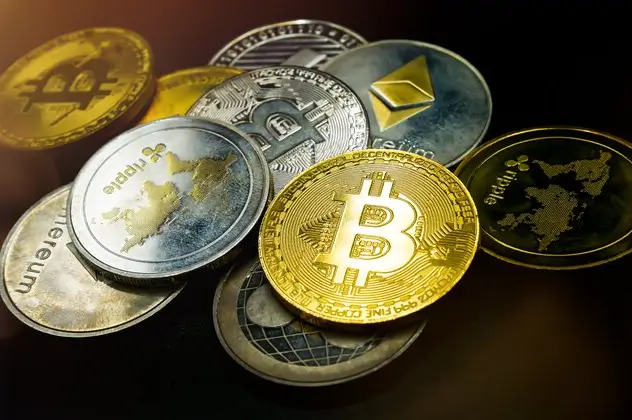
Altcoins are cryptocurrencies other than Bitcoin, created to address specific limitations or broaden use cases such as faster transactions, smart contracts, or governance. Investors diversify beyond Bitcoin to capture growth, access new ecosystems, and manage risk. Evaluation hinges on liquidity, tokenomics, development cadence, security audits, and governance clarity. Real-world use and interoperability drive adoption, while regulatory considerations and impermanent loss pose risks. The disciplined approach blends diversification with due diligence, leaving readers weighing how these factors align with their strategy.
What Are Altcoins and How They Differ From Bitcoin
Altcoins are cryptocurrencies other than Bitcoin, created to address perceived limitations or broaden use cases beyond the original blockchain. They differ through consensus mechanisms, speed, smart contracts, and governance models. Investors compare altcoins vs bitcoin for potential diversification and innovation, while weighing altcoins investment risks such as liquidity, regulation, and project viability. Market signals and utility underpin evaluation, not assumptions or hype.
How Altcoins Fit Your Crypto Portfolio: Growth, Risk, and Traits
Assessing how altcoins fit a crypto portfolio requires balancing growth potential against risk exposure, liquidity, and regulatory uncertainty. The approach centers on diversification across sectors, clear weighting by project maturity, and disciplined risk management. Growth potential drives upside while risk management limits drawdowns. Traders monitor liquidity, team credibility, and roadmap milestones, aligning holdings with targeted returns and capital preservation in evolving market conditions.
How to Evaluate Altcoins: Signals, Risks, and a Practical Checklist
Evaluating altcoins requires a disciplined framework that weighs signals, risk, and practicality.
A practical checklist includes liquidity, tokenomics, development cadence, and security audits, alongside exposure to impermanent loss and rug pulls.
Market signals, governance clarity, and real-world use help filter noise.
Investors favor transparent roadmaps, auditable contracts, and diversified holdings to manage downside while pursuing asymmetric upside opportunities.
See also: How 5G Technology is Changing Communication
Altcoin Categories and Real-World Use Cases
Investors categorize altcoins by use case and ecosystem, mapping each category to tangible real-world applications and market demand. The overview highlights payments, smart contracts, decentralized finance, and persistent data networks as core segments.
Within altcoin categories, practitioners assess infrastructure, liquidity, and adoption velocity. Real world use cases drive capital allocation, while competitive differentiation hinges on interoperability, security, and user experience. Real world use cases drive growth.
Conclusion
Altcoins are the adventurous side of crypto, offering faster, cheaper, or smarter options than Bitcoin. Investors buy them to diversify risk, chase growth, and access specialized ecosystems. In portfolios, they complement liquidity and governance with niche use cases and excitement. Yet, they carry higher risk—from volatility to regulatory shifts and liquidity crunches. The prudent move is disciplined due diligence: assess technology, roadmap credibility, and real-world traction. Ironically, the more promising the project, the more scrutiny it deserves.