What Are Altcoins and Why Do Investors Buy Them?

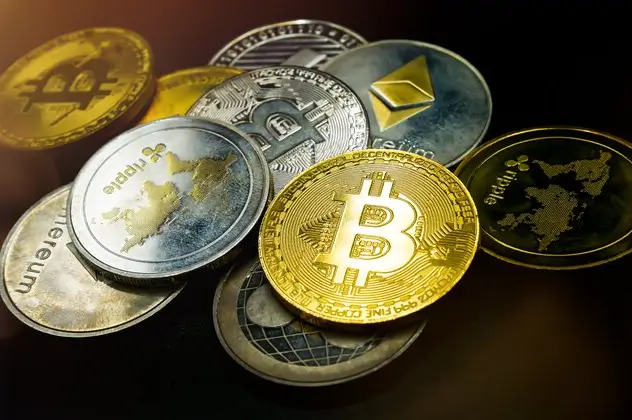
Altcoins are cryptocurrencies other than Bitcoin, designed to improve speed, cost, governance, or features. Investors pursue them for practical use cases like DeFi, smart contracts, or tokenized assets, hoping for real-world utility and upside. Yet they share crypto risks: volatility, regulatory shifts, and evolving tech. A disciplined approach weighs problem-solution fit, tokenomics, and governance. The question remains: can these projects sustain momentum beyond hype, or will they falter as markets tighten and scrutiny rises?
What Are Altcoins, and How They Differ From Bitcoin
Altcoins are cryptocurrencies other than Bitcoin, designed to improve on specific aspects of the original protocol or to experiment with novel features. They present varied governance, consensus, and transaction models, yet often share core security risks and volatility. The comparison highlights differences in speed, fees, and readiness. Altcoins definitions underscore divergence from Bitcoin, while bitcoin comparison emphasizes foundational trade-offs and interoperability potential.
Why Investors Look at Altcoins: Use Cases and Potential Upside
Investors evaluate altcoins to identify practical applications beyond mere speculative bets, focusing on use cases such as decentralized finance, trackable smart contracts, or tokenized assets that promise real-world utility.
Yet enthusiasm faces scalability challenges and regulatory uncertainty, tempering optimism.
While potential upside exists in niche ecosystems and rapid deployment, disciplined evaluation remains essential to distinguish durable models from hype within a freedom-oriented market.
A Practical Framework to Evaluate Altcoins Before You Buy
A practical framework for evaluating altcoins prior to purchase emphasizes disciplined inquiry over hype: what problem does the project claim to solve, and how credible is the solution in terms of design, governance, and sustainability?
It analyzes feasibility, tokenomics, and open governance against risk tolerance, market dynamics, and potential regulatory impact, demanding measurable milestones, transparent disclosures, and ongoing accountability before commitment.
See also: How Technology is Transforming Healthcare Systems
Altcoin Pitfalls and Risk Management
Nonetheless, pitfalls and risk management must be understood to prevent overconfidence and losses.
The analysis highlights altcoin governance as a governance risk vector, where unclear decisions can trigger volatility and misaligned incentives.
Liquidity risk remains critical: thin order books impede exit strategies and price discovery.
Investors should stress-test scenarios, diversify exposure, and demand transparency to mitigate systemic fragility within evolving markets.
Conclusion
Altcoins offer specialized features and potential upside beyond Bitcoin, but they carry higher risk and uncertainty. Investors should assess problem-solution fit, tokenomics, governance, and sustainable milestones, rather than hype. A disciplined approach emphasizes transparency, regulatory awareness, and risk-adjusted positioning. For example, a hypothetical smart-contract platform shows early traction and clear use cases, but stalls on security audits and funding cadence, highlighting how execution risk can derail promised value even when technical innovation exists. Careful diligence remains essential.