Industrial Safety: Understanding Requirements for Motors in Hazardous Areas

Industrial facilities sometimes operate in environments where flammable gases, vapors, or combustible dust may be present. In these locations, electrical equipment requires careful selection because equipment must be appropriate for the conditions in which it will operate.
Motors used in potentially hazardous areas are subject to specific design and certification requirements. Selecting the correct equipment involves understanding the installation environment, hazardous-area classification, electrical supply, mechanical load, and applicable standards.
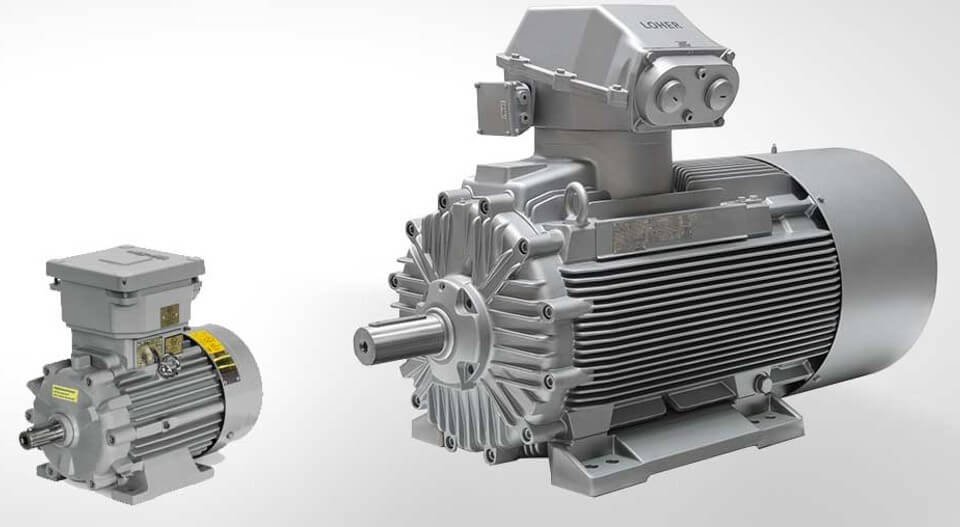
A low-voltage explosion-protected motor can be considered for applications where its specifications and certifications match the requirements of the installation.
Read Also: How Technology is Transforming Healthcare Systems
What Makes a Hazardous Area Different?
A hazardous area is an environment where flammable substances may be present under certain operating conditions.
Such environments can occur in industries involving chemicals, fuels, gases, solvents, dust-producing materials, and other substances capable of creating an ignition risk.
The classification of the area determines what type of electrical equipment may be suitable.
Why Motor Selection Matters
Electric motors contain electrical and mechanical components that can produce heat, sparks, or other potential ignition sources under certain circumstances.
Specially designed motors incorporate protective features intended for specific hazardous environments. However, not every protected motor is suitable for every hazardous location.
The motor’s certification, protection method, temperature characteristics, and environmental suitability should all be checked before installation.
Understanding Area Classification
Hazardous areas are classified according to the likelihood and duration of the presence of hazardous substances.
Different regions and standards use different classification systems. The responsible engineers and safety professionals should determine the appropriate classification for the facility before equipment is selected.
Motor documentation should then be checked to confirm compatibility.
Electrical Compatibility
Safety requirements do not replace normal motor-selection principles.
The motor must still match the site’s voltage, frequency, power requirements, speed, and other electrical characteristics.
Selecting specialized equipment that does not match the available power supply can create operational problems even if its hazardous-area protection is otherwise appropriate.
Mechanical Requirements
The motor must also be compatible with the driven equipment.
Shaft dimensions, mounting configuration, speed, torque, and coupling arrangements should be checked before purchase.
For industrial applications, mechanical compatibility is particularly important because the motor may be connected to pumps, fans, conveyors, compressors, or other continuously operating machinery.
Environmental Conditions
Hazardous-area classification is only one part of environmental evaluation.
Temperature, humidity, dust, chemicals, corrosion, ventilation, and outdoor exposure may also affect equipment selection.
A motor should be suitable for the complete installation environment rather than only one specific hazard.
Installation and Certification
Correct installation is essential when specialized motor protection is involved.
The equipment should be installed according to manufacturer instructions and applicable electrical and safety standards. Components should not be modified in ways that could compromise their certified protection.
Qualified professionals should handle installation and inspection where required.
Maintenance Considerations
Maintenance practices should account for the motor’s protective design.
Routine inspections can include checking external condition, mounting, connections, bearings, temperature, and ventilation. Any maintenance work should follow the manufacturer’s procedures and relevant safety requirements.
Replacement components should also meet the required specifications.
Selecting Suitable Equipment
Businesses evaluating motors for potentially hazardous conveyor or industrial applications can review XCMOTOR YBX3 series low voltage explosion-proof motor while comparing certification, electrical specifications, mechanical requirements, and environmental suitability.
The final selection should always be based on the actual installation conditions and applicable standards.
Creating a Selection Checklist
Before purchasing a motor for a hazardous location, engineers can verify:
- Hazardous-area classification
- Applicable certification
- Voltage
- Frequency
- Rated power
- Speed
- Temperature requirements
- Enclosure characteristics
- Mounting configuration
- Environmental conditions
- Maintenance requirements
- Installation requirements
This checklist can help prevent important technical considerations from being overlooked.
Frequently Asked Questions
1. What is an explosion-protected motor?
It is a motor designed with specific protective characteristics for use in defined hazardous environments. Its suitability depends on its certification and the classification of the installation.
2. Can any explosion-proof motor be used in a hazardous area?
No. The motor must match the specific classification, protection requirements, electrical supply, and environmental conditions of the installation.
3. Who should install specialized motors?
Installation should be performed according to applicable regulations and manufacturer requirements, typically by appropriately qualified electrical professionals.
Conclusion
Motor selection for hazardous areas requires careful coordination between electrical, mechanical, environmental, and safety requirements. Certification and area classification are particularly important, but they must be considered alongside power, speed, mounting, and operating conditions.
By evaluating the complete installation before purchasing equipment, businesses can select motor solutions that are appropriately matched to their industrial applications and safety requirements.